Course Overview
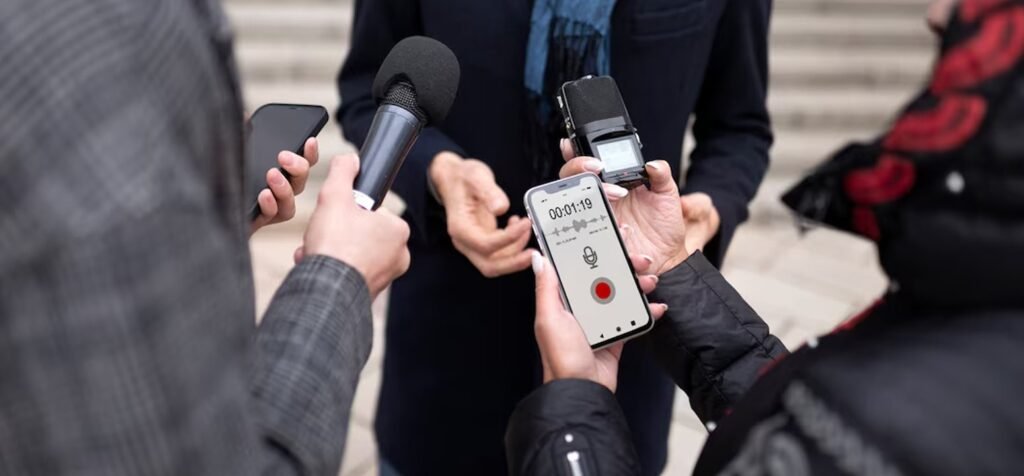
The Broadcast Journalism course is a specialized training program designed to prepare participants for careers in broadcast media by equipping them with essential skills in preparing, editing, and presenting radio and television news and programs.
The course focuses on editorial and field aspects, information gathering methods, news writing, and on-camera and on-mic presentation, enabling participants to produce professional media content that meets modern professional standards.
Target Audiences
| · Media professionals and journalists
· Broadcasters and program presenters · Television and radio staff · News content creators · Students majoring in media studies · Anyone interested in entering the field of broadcast journalism |
Course Duration
- Total Hours: 25 training hours
- Number of Days: 5 days
- Hours per Day: 5 hours daily
Course Outline
|
🗓️ Day 1: Fundamentals of Radio and Television Journalism 🔹Module 1: The Concept of Audio-Visual Journalism Understanding the nature of journalistic work in radio and television. 🔹Module 2: Types of News and Media Programs Introducing news bulletins, reports, and talk shows. 🔹Module 3: Journalistic Ethics Commitment to objectivity and credibility. 🔹Module 4: News Sources and Information Gathering Methods Obtaining information from reliable sources. 🗓️ Day 2: Editing and News Writing 🔹Module 5: Writing Radio and Television News Crafting news in a clear and concise style. 🔹Module 6: Preparing News Reports Transforming information into media reports. 🔹Module 7: Writing Scripts for Presenters Preparing a suitable script for delivery. 🔹Module 8: News Editing and Proofreading Reviewing content and ensuring its accuracy. 🗓️ Day Three: Presentation and Delivery 🔹Module 9: Radio Presentation Skills Managing voice and delivery over the microphone. 🔹Module 10: Television Presentation in Front of the Camera Controlling body language and eye contact. 🔹Module 11: Managing Dialogues and Interviews Conducting professional interviews with guests. 🔹Module 12: Practical Presentation Training Practical applications of delivery. 🗓️ Day Four: Fieldwork and Production 🔹Module 13: Field Media Coverage Reporting events from the scene. 🔹Module 14: Using Filming and Recording Equipment Operating cameras and audio equipment. 🔹Module 15: Preparing Video Reports Producing complete television reports. 🔹Module 16: Coordinating with the Media Team Collaboration between reporters and editors. 🗓️ Day Five: Directing and Professional Development 🔹Module 17: Fundamentals of Radio and Television Directing Organizing work during broadcast. 🔹Module 18: Editing and Final Production Professionally producing media content. 🔹Module 19: Evaluating Media Performance Analyzing the quality of content and presentation. 🔹Module 20: The Future of Digital Journalism and Media Anticipating the shift towards digital media. |
Course Outcomes
|
By the end of the course, participants will be able to: · Understanding the fundamentals of radio and television journalism · Writing and editing news and media reports · Presenting and delivering professionally in front of the camera and microphone · Conducting field media coverage · Producing comprehensive news content · Working effectively within a media team · Using media production tools · Keeping up with the latest developments in the field of media |