
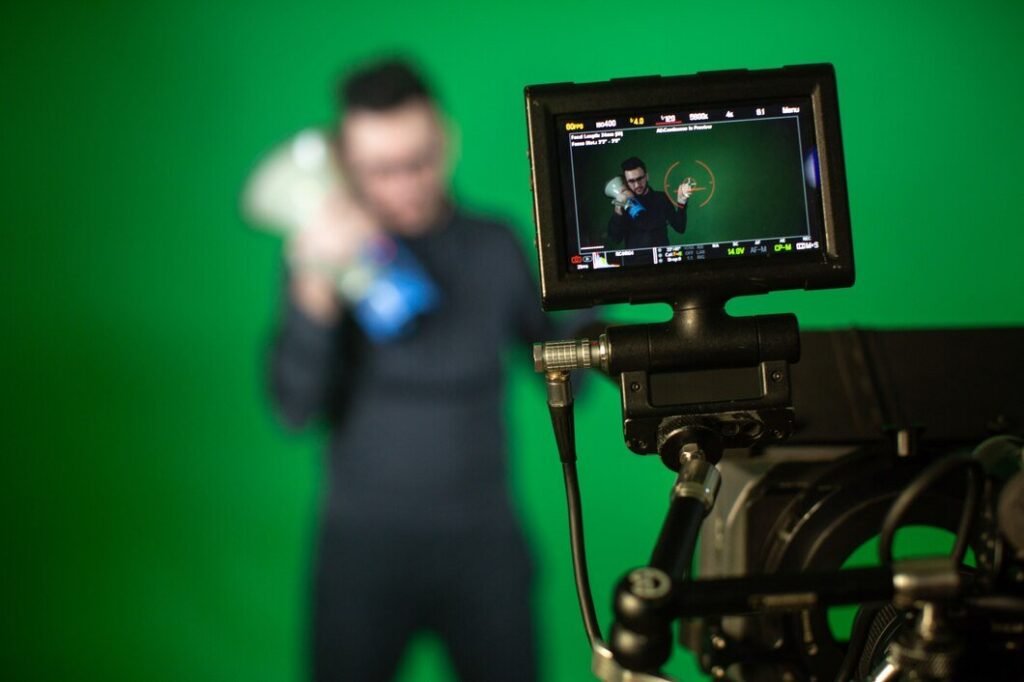
Course Overview
The Television Production course is a specialized training program designed to equip participants with the knowledge and skills necessary to produce various types of television programs to a professional standard.
The course focuses on all stages of television production, from developing the idea and writing the script, through preparation and filming both in the studio and on location, to editing and broadcasting, enabling participants to work effectively in media production environments
Target Audiences
| · Television channel employees
· Content creators and media professionals · Directors and producers · Students in media-related fields · Media production managers · Anyone interested in entering the field of television production |
Course Duration
- Total Hours: 25 training hours
- Number of Days: 5 days
- Hours per Day: 5 hours daily
Course Outline
|
🗓️ Day 1: Fundamentals of Television Production 🔹Module 1: The Concept and Types of Television Production Understanding the different types of television programs (news, entertainment, documentary). 🔹Module 2: Stages of Television Production Understanding the pre-production, production, and post-production stages. 🔹Module 3: The Television Crew Defining roles such as director, producer, and editor. 🔹Module 4: Planning a Television Program Developing a clear production plan. 🗓️ Day 2: Scriptwriting and Preparation 🔹Module 5: Developing a Program Idea Transforming ideas into feasible projects. 🔹Module 6: Preparing Television Content Gathering and organizing information. 🔹Module 7: Writing a Television Script Professionally crafting scripts. 🔹Module 8: Creating a Production Schedule Organizing time and tasks. 🗓️ Day 3: Filming and Directing 🔹Module 9: Fundamentals of Television Filming Understanding cameras, lighting, and angles. 🔹Module 10: Television Directing Managing scenes and organizing shots. 🔹Module 11: Filming in and on location Dealing with different filming environments. 🔹Module 12: Managing the crew during filming Coordinating efforts to achieve the best results. 🗓️ Day 4: Editing and Broadcasting 🔹Module 13: Television Editing Editing footage and producing the final product. 🔹Module 14: Adding Visual and Sound Effects Enhancing the program’s quality. 🔹Module 15: Television Broadcasting Techniques Understanding the mechanisms of live and recorded broadcasting. 🔹Module 16: Ensuring Production Quality Reviewing the work before broadcast. 🗓️ Day Five: Management and Professional Development 🔹Module 17: Managing Television Production Projects Organizing Resources and Budgets. 🔹Module 18: Marketing Television Programs Promoting Content and Attracting Audiences. 🔹Module 19: Media Ethics Adherence to Professional Standards. 🔹Module 20: The Future of Television Production Anticipating the Digital Transformation in Media. |
Course Outcomes
|
By the end of the course, participants will be able to: · Comprehensive understanding of all stages of television production · Developing and formulating television program ideas · Writing professional scripts · Managing filming and directing operations · Executing editing and final production · Working with television broadcasting technologies · Efficiently managing media production projects · Keeping up-to-date with the latest developments in television media |